It's the first real decision in any air conditioning job, and it's usually made on price before anyone has asked the important questions. Ducted and split systems do the same basic job in very different ways — and the right answer depends far more on your house and how you live in it than on the brand of the unit.
How each system works
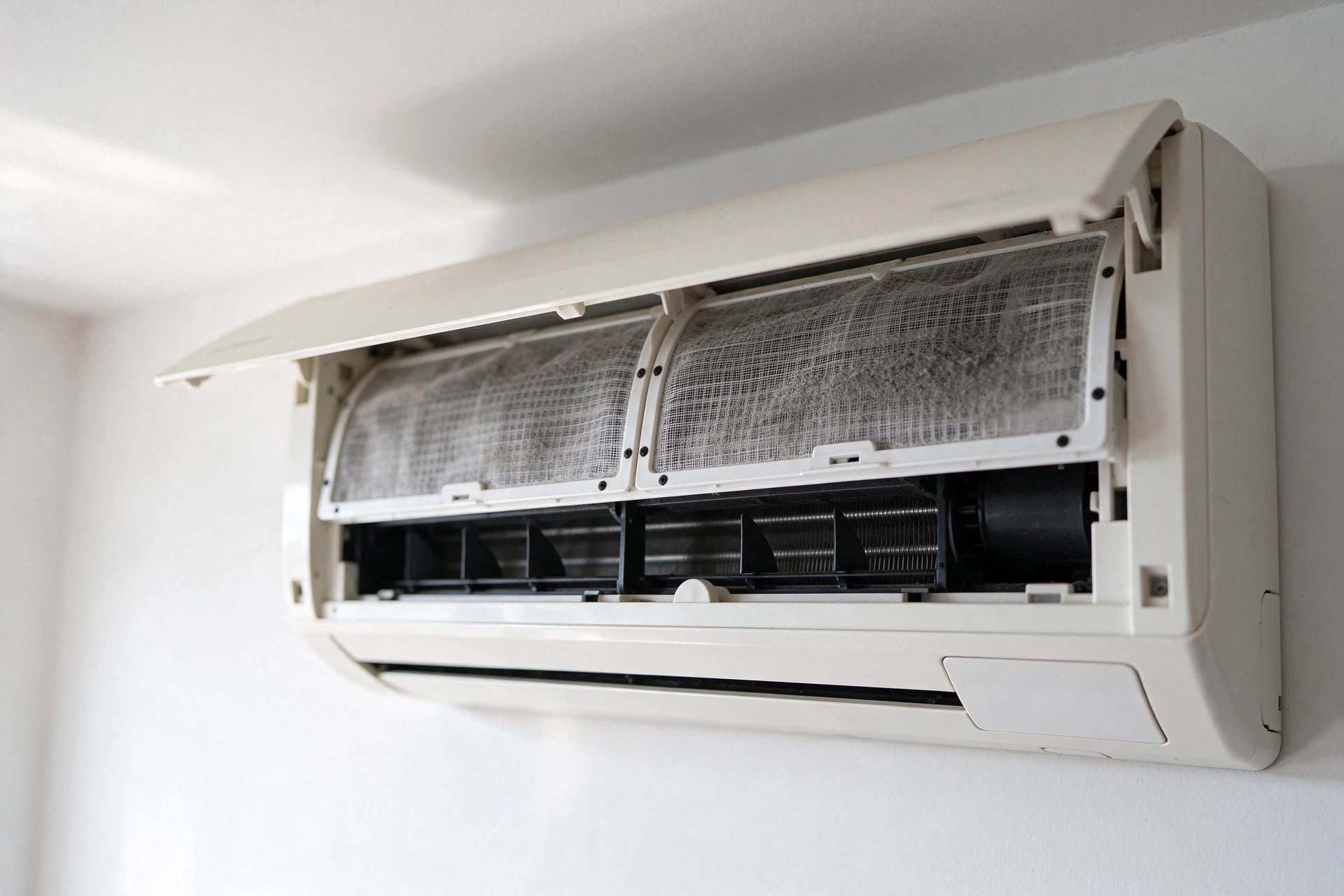
Split systems are the wall-mounted units most Perth homes have. Each room gets its own indoor head connected to its own outdoor unit, or several heads share one larger outdoor unit in a multi-head setup. You control each room separately.
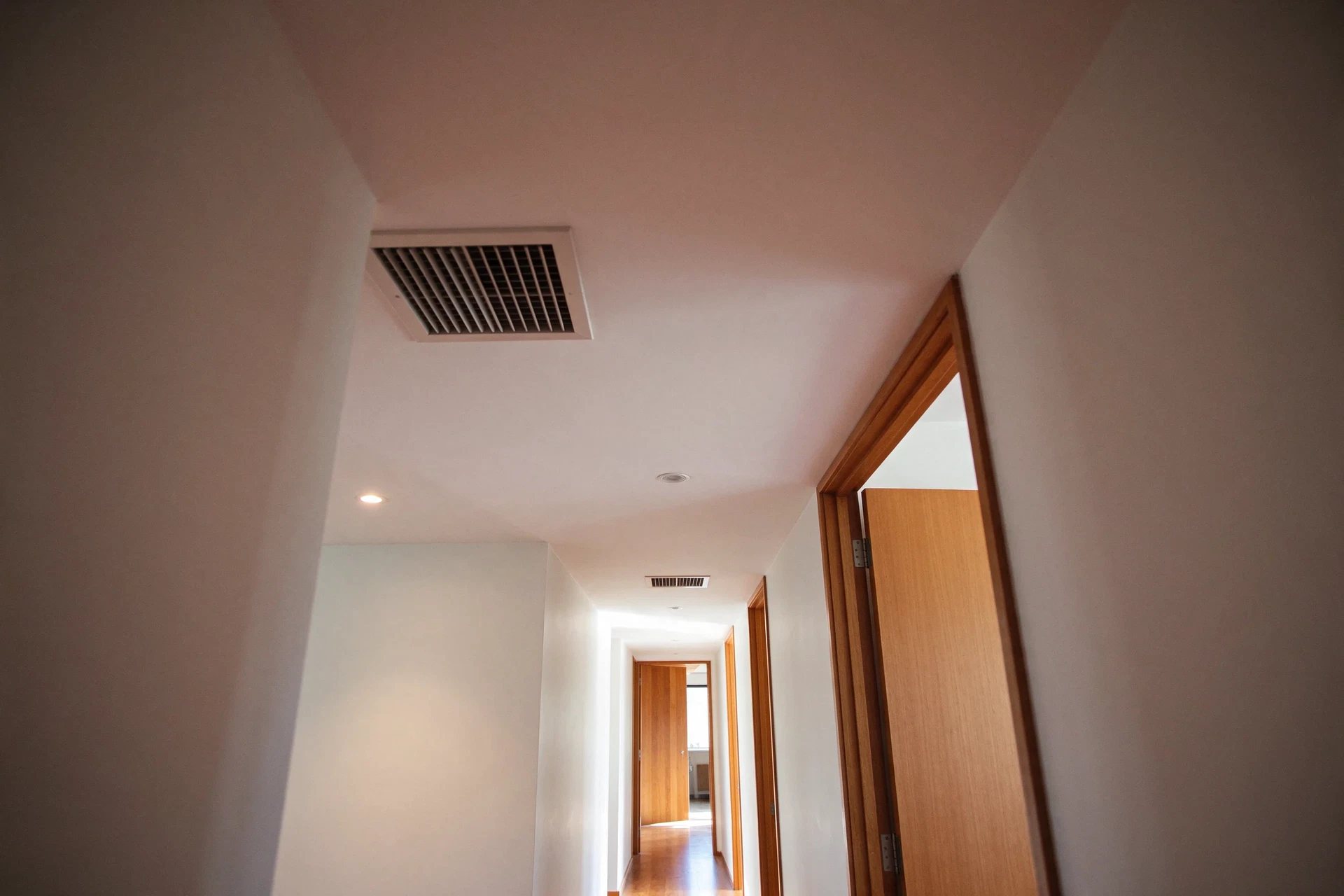
Ducted systems use one large outdoor unit and an indoor fan coil, usually in the roof space, with insulated ducts running to vents in the ceiling. Zones let you cool only the parts of the house you're using.
Choose splits if…
- You mainly want to cool two or three rooms — bedrooms and the living area — rather than the whole house.
- Your home has no accessible roof space, a flat roof, or a ceiling that makes ducting difficult.
- You're adding air conditioning to an existing house without renovating.
- You want to spread the cost, adding rooms one at a time as budget allows.
- You like the idea of each room having its own controller and its own running schedule.
Choose ducted if…
- You want consistent comfort across the whole house, not just one or two rooms.
- You're building or renovating, and the roof space is accessible before the ceiling goes in.
- You don't want wall units in every room — ducted keeps the walls clear.
- You'll use zoning to cool the living areas during the day and the bedrooms at night.
- You have a long-term plan for the house and want the system to add value.
Running costs: it depends on how you use it
A ducted system cooling five rooms that nobody's in will always cost more than one split cooling the lounge. With good zoning — closing off the unused areas — ducted can be surprisingly efficient, because one large inverter unit often runs more efficiently than several small ones working hard.
Ducted systems do lose some cooling through the ducts in a hot roof space, especially if the ductwork is old or poorly insulated. That's one of the things worth checking before committing to a ducted design.
Maintenance
Splits are simple: wash the filters, keep the outdoor unit clear, get it serviced yearly.
Ducted systems need the same annual service on the outdoor unit, plus a clean of the return-air filter, a check of the zone motors and dampers, and an inspection of the ductwork for tears, sagging or disconnected joints. A duct that's come loose in the roof can quietly waste a lot of money.
The questions that actually decide it
- How many rooms do you want to cool at the same time?
- Is there accessible roof space above the rooms?
- Is the house single or double storey? (Ducted is simpler on a single storey with a big roof cavity.)
- What's the budget now, and what are you prepared to spend on running costs?
- Are you renovating or building in the next couple of years?
If you answer those five honestly, the choice usually makes itself.
Worth knowing
If there's no accessible roof space, ducted isn't an option — no matter the budget. A good installer will tell you that in the first five minutes rather than after a quote.
What we'd recommend
For most established northern suburbs homes, a mix works well: splits in the bedrooms and living areas you actually use, sized properly, with a multi-head system where several rooms are close together. For a new build or a major renovation with good roof access, ducted with zoning is usually the cleaner long-term answer.
Either way, we'll look at the house before recommending anything — and tell you if the cheaper option is the better one.