Buying a split system looks simple: pick a brand, pick a price, pick the one that says "3.5kW" because that's what the last place had. In practice, the capacity on the box is only half the story — and getting it wrong is one of the most common reasons people end up unhappy with an air conditioner that's only a couple of years old.
Why bigger isn't automatically better
An oversized unit cools the room quickly, then switches off. That sounds efficient, but a system that short-cycles doesn't run long enough to pull the humidity out of the air, so the room can feel cold and clammy rather than properly comfortable. It also starts and stops constantly, which is harder on the compressor and uses more power than a correctly sized unit running steadily.
An undersized unit has the opposite problem. It runs flat out all summer, never quite reaches the set temperature on a 40°C day, and wears out faster because it never gets a break.
A rough guide to capacity
For a typical Perth home with 2.4–2.7m ceilings, standard insulation and single-glazed windows, these numbers are a reasonable starting point:
| Room area | Typical capacity | Good for |
|---|---|---|
| Up to 15 m² | 2.5 kW | Bedroom, study |
| 15–25 m² | 3.5 kW | Main bedroom, small lounge |
| 25–40 m² | 5.0 kW | Living room, open-plan kitchen |
| 40–60 m² | 7.1 kW | Large open-plan living |
| 60 m² and up | Multi-head or ducted | Whole-home comfort |
Treat that as a sanity check, not a quote. Two rooms the same size can genuinely need different systems.
What changes the number
Windows, and which way the room faces
A west-facing lounge with a big single-glazed window collects a lot of afternoon heat. A south-facing bedroom with one small window collects very little. Shade, curtains, eaves and outdoor blinds all change how much heat actually gets in.
Ceiling height and roof space
High ceilings mean more air to cool. A room under a hot tin roof with no insulation is a different job again to one with a well-insulated ceiling space.
How open the space is
An open-plan kitchen, living and dining area behaves like one big room. If you size for the lounge alone, the cool air disappears into the kitchen the moment someone turns the oven on.
How many people, and what's running
People, computers, TVs and kitchen appliances all add heat. A home office with two screens and a closed door is warmer than it looks on paper.
Installation matters as much as the unit
A well-sized system installed badly will perform worse than a slightly smaller one installed properly. The things that matter:
- The indoor head is high enough on the wall, with clear space in front of it for air to circulate.
- The outdoor unit gets shade and clearance, not a sealed box against a fence.
- Drainage runs with a proper fall to the outside, so water goes where it should.
- Pipework is insulated, supported and protected — not zip-tied to a downpipe.
- The unit has its own circuit and isolator, not a shared power point.
A quick test
If someone quotes you a system size over the phone without asking about the room, the windows, the ceiling or the roof, that's a guess — not a sizing.
What to tell us when you call
- The suburb, and whether the room is upstairs or downstairs.
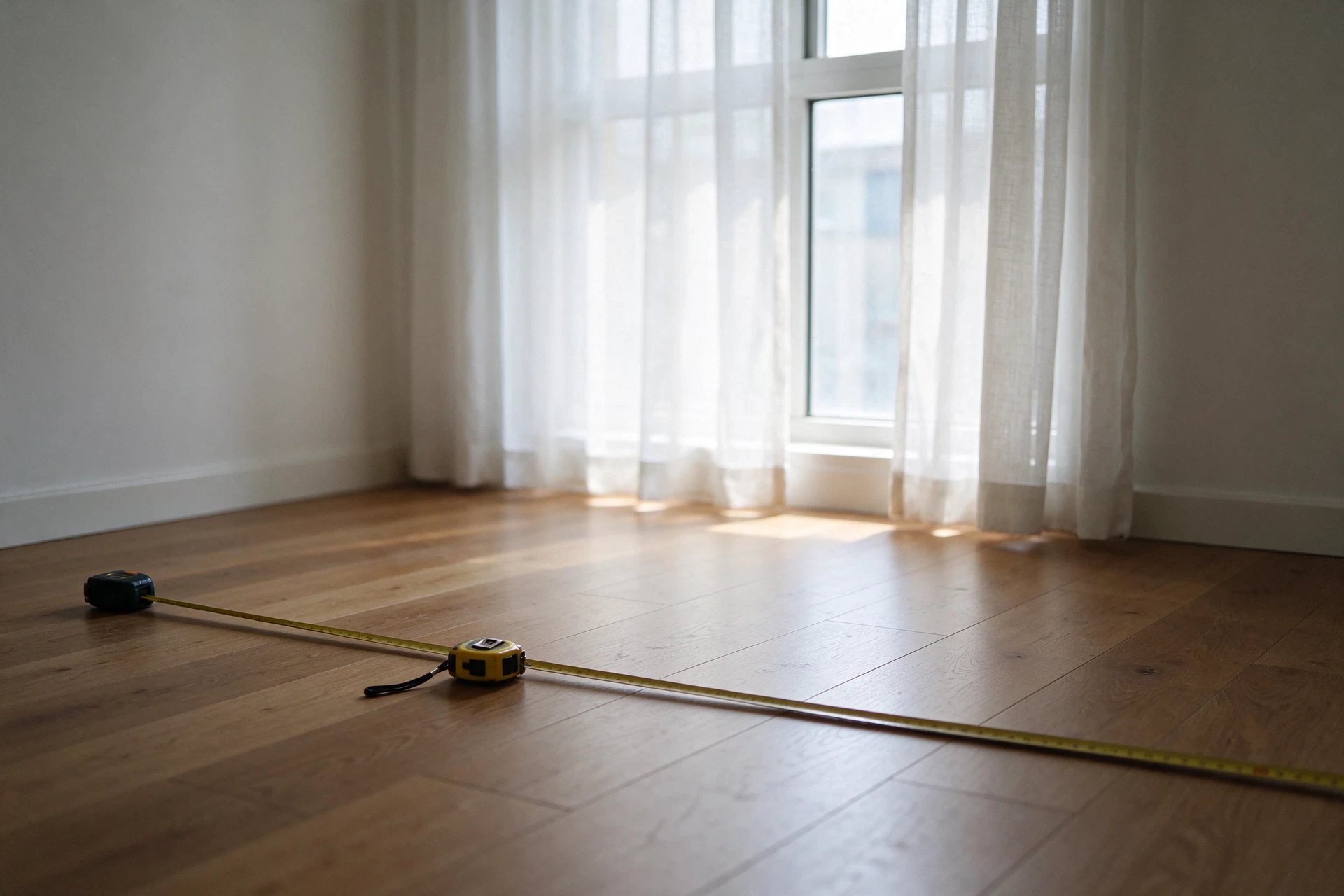
- Roughly how big the room is — a pace-out is fine.
- A photo of the wall where the head would go, and the outside wall where the unit would sit.
- What the room is used for, and when it's used.
- Whether there's an existing unit to replace, and what's wrong with it.
We'll check the room on site, recommend a capacity, and quote supply and installation together so there are no surprises halfway through.