A safety switch that keeps tripping is doing its job. It's the one component in the house designed to notice that electricity is going somewhere it shouldn't — through a damaged cable, a wet appliance, or a person — and cut the power before anyone gets hurt.
That's why the answer is never to "just reset it again" and hope. Here's how to work out what's going on, safely, and when to stop.
First, check it's actually a safety switch
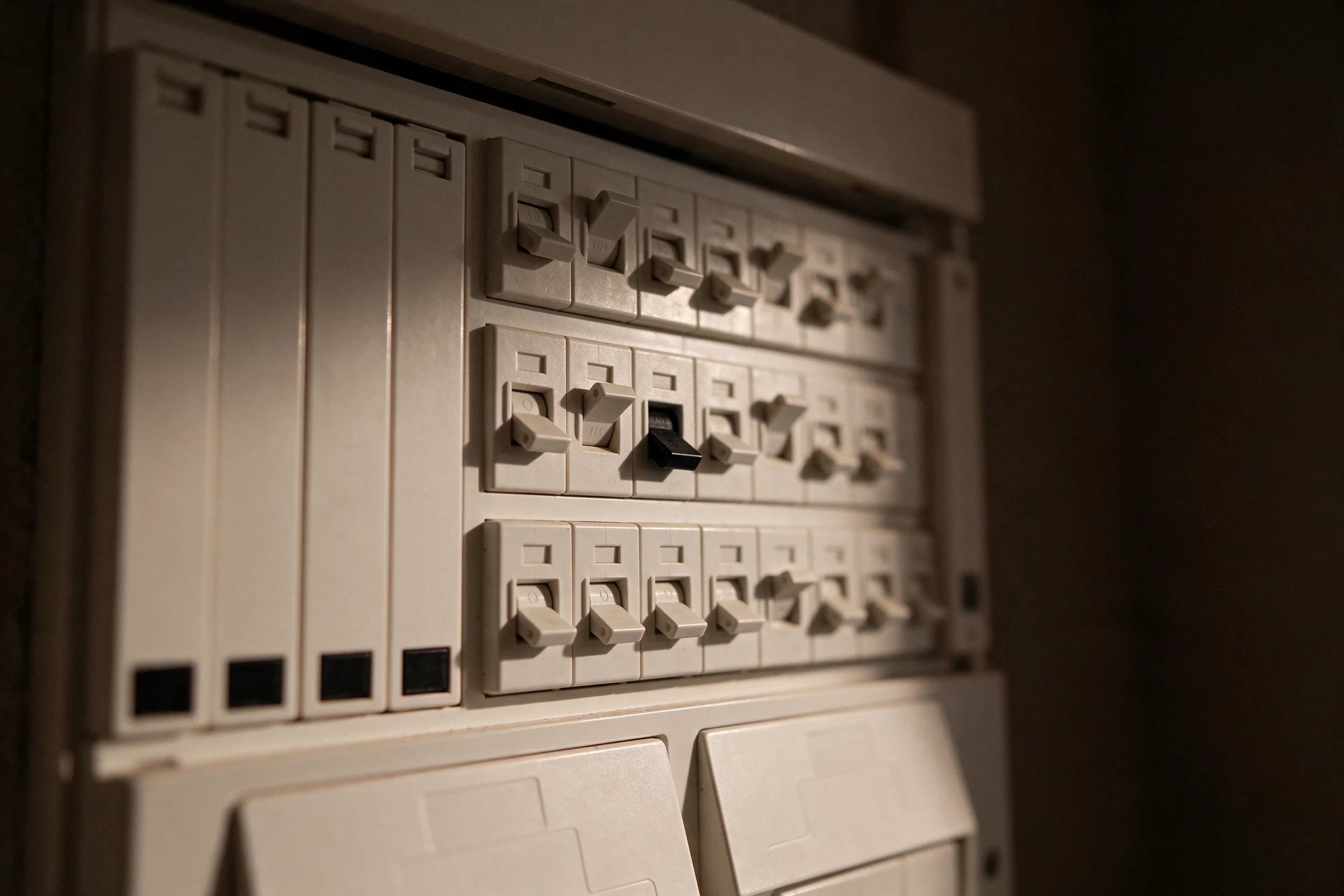
Switchboards usually have two kinds of devices side by side:
- Circuit breakers protect the wiring from overload and short circuits. They're marked with a rating like "C16" or "20A".
- Safety switches (RCDs) protect people. They have a "test" button, and are often marked "RCD" or with a symbol. Some are combined with a breaker in one unit.
If the switch that's tripping has a test button, it's a safety switch. If it doesn't, it's a breaker protecting a circuit that's overloaded or faulty.
The safe way to narrow it down
You don't need tools for this, and you don't need to open anything. Start by turning the tripped switch fully off, then back on. If it holds, something plugged into that circuit is the likely cause.
- Turn the safety switch off.
- Unplug everything on that circuit — appliances, chargers, extension leads, the lot.
- Turn the switch back on. If it stays on with nothing plugged in, the circuit itself is probably fine.
- Plug appliances back in one at a time, testing each one. When the switch trips again, you've found your culprit.
If it's the lighting circuit, turn the light switches off and reset, then try them one at a time. If it's an outdoor circuit, think about anything that's been rained on, or a garden light that's filled with water.
Never do this
Don't tape a safety switch in the "on" position, jam it with a matchstick, or replace it with a bigger one. It's there to trip. Forcing it defeats the only thing standing between a faulty appliance and a serious shock.
Common causes we find
- A faulty appliance. Kettles, heaters, washing machines, dishwashers and old bar fridges are regular offenders, especially if they're getting old or have been stored in a shed.
- Water where it shouldn't be. Outdoor power points, garden lights, pool pumps and bathroom exhaust fans are common after winter rain.
- Damaged cable. A cable nicked by a lawn mower, chewed by a dog, or crushed behind furniture.
- DIY work. A nail through a cable during a renovation, or a power point wired by someone who wasn't qualified.
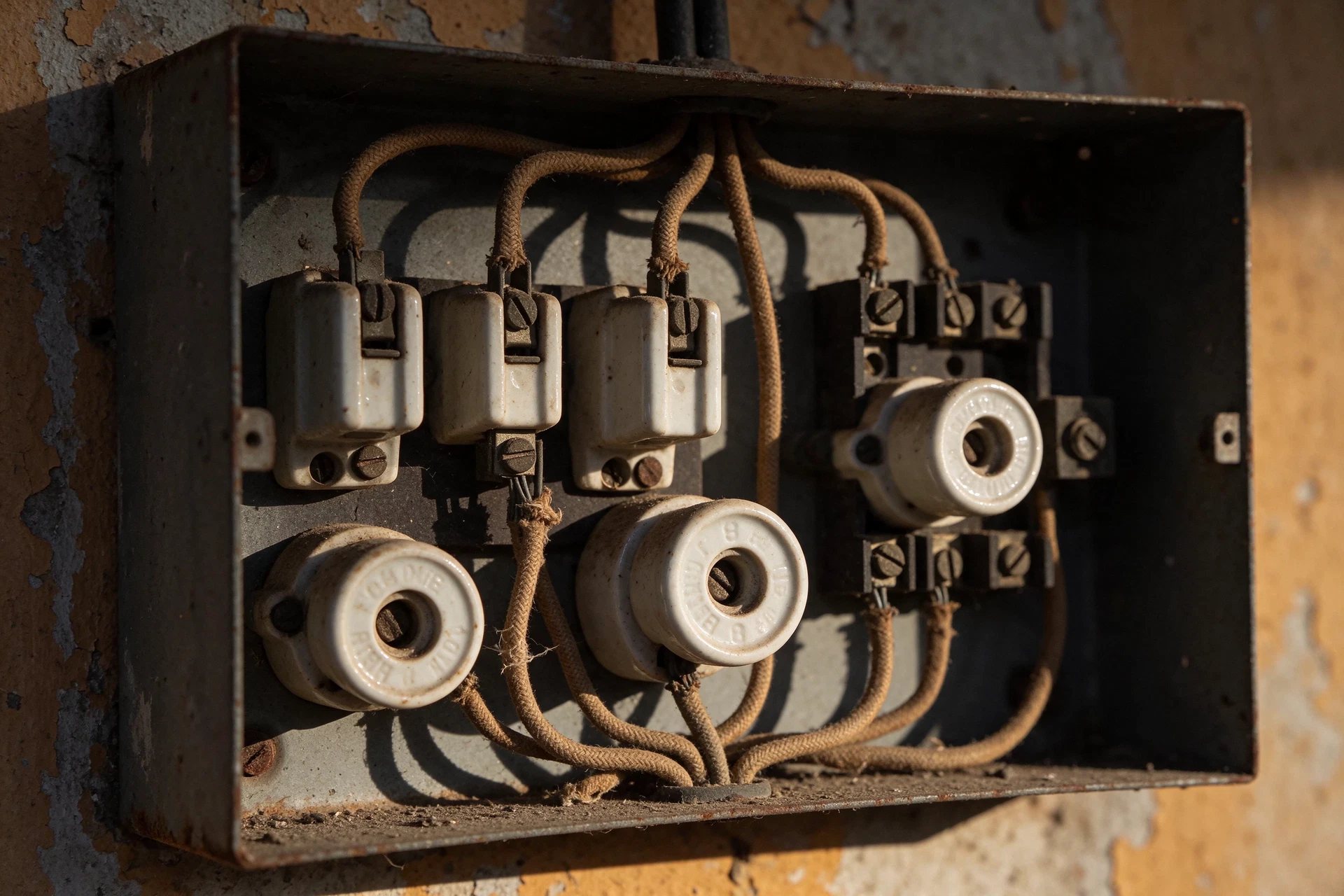
- Ageing wiring. In older homes, perished insulation and tired connections can start leaking current to earth.
When to stop and call an electrician
- The switch won't reset at all, even with everything unplugged.
- It trips again within minutes with nothing connected.
- Water is involved — a flooded power point, a leaking roof over a light fitting.
- You can smell burning, see scorch marks, or hear crackling at the board.
- It's happening more and more often, even if it resets each time.
Those are all signs of a fault inside the wiring, not a dodgy appliance, and they need proper test equipment to trace. We can usually find the cause in a single visit and give you options from there.
If it's tripping at night
Turn the tripped switch off, unplug what you can, and leave it off until morning if that's safe. If you have a fridge or freezer on that circuit, keep the doors closed — a full freezer will hold temperature for a day or more. If there's any smell of burning or visible damage, call straight away rather than waiting.